Skip to content

Stucco is a solid choice for those seeking a low-maintenance, long-lasting exterior. It’s fire-resistant and pest-resistant and performs well across various climates. One key advantage is how it balances durability with curb appeal, offering a clean and modern finish.
However, understanding the pros and cons of stucco is essential before making a commitment to it. While it’s tough and stylish, proper installation is critical to avoid moisture issues. If you’re comparing exterior finishes, stucco deserves a closer look for its performance and visual impact.
What is Stucco and Why is it Popular?
Stucco is a versatile building material that has been around for centuries, making it a popular choice for both homes and businesses. Understanding its history and common uses can help you see why many property owners choose stucco for their projects.

A Brief History of Stucco
Understanding what is stucco starts with exploring its rich history. This durable exterior finish dates back to ancient Egypt, where it was used in temples and tombs. The Romans later perfected stucco, using it to create intricate designs and strong surfaces. During the Renaissance, stucco gained popularity in European architecture, showcasing ornate details.
By the 20th century, stucco had become widely used in the United States, especially in the southwest, due to its ability to withstand harsh weather conditions. The benefits of stucco, including its durability, energy efficiency, and aesthetic versatility, have made it a popular choice for both homes and businesses. Stucco’s history proves its lasting value as a reliable and timeless building material.
Common Uses in Residential and Commercial Properties
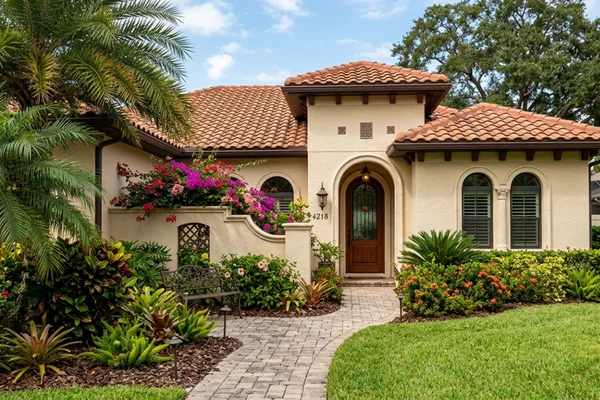
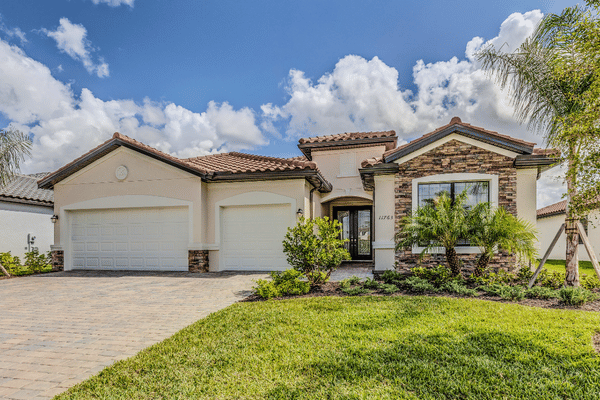
Stucco is a versatile exterior finish used in residential and commercial properties. It offers durability and aesthetic appeal. In residential homes, especially in Mediterranean and Southwestern styles, stucco is commonly used to create textured, unique facades. Its ability to be painted in various colors allows homeowners to easily customize their exterior look.
Stucco is valued in commercial properties for its low maintenance and resilience against harsh weather conditions. It’s frequently seen in storefronts, office buildings, and restaurants. Additionally, stucco can be used indoors to create accent walls or enhance entryways. The benefits of stucco make it a practical and attractive choice, improving the visual appeal and functionality of any building.
Key Benefits of Stucco for Homes & Businesses
When considering stucco for your home or business, you’ll discover a range of key benefits that make it an excellent choice.
Durability: Built to Last for Decades
Stucco offers exceptional durability, making it an excellent investment for homes and businesses. Resistant to extreme weather, pests, and fire, it ensures minimal repairs and low maintenance. This material can endure temperature fluctuations without cracking or fading, preserving its aesthetic appeal and functionality for many years.
Energy Efficiency: A Natural Insulator
Stucco acts as a natural insulator, improving energy efficiency by regulating indoor temperatures. This material reduces heat transfer, helping your HVAC systems run more efficiently. As a result, you’ll enjoy lower energy bills and a more comfortable environment, with reduced risk of mold and mildew formation.
Low Maintenance and Cost-Effective Solutions
Stucco requires minimal maintenance, saving time and money in the long run. It’s durable, needing only a simple wash to stay fresh. When considering stucco cost per square foot, its longevity and energy efficiency make it a cost-effective choice compared to other materials, such as brick or stone.
Fire and Weather Resistance: Protecting Your Property
Stucco offers excellent resistance to fire and weather. It’s non-combustible and withstands extreme conditions without cracking or rotting. Stucco’s resilience to rain, heat, and cold ensures your property remains protected. It also provides insulation, reducing energy costs, while resisting pests like termites.
Aesthetic Appeal: Versatile Design and Customization Options
Stucco provides versatile design options, making it ideal for any style, from Mediterranean to modern. You can customize textures, colors, and finishes to create a unique look for your property. Stucco can be combined with other materials, allowing endless design possibilities for a personalized aesthetic.
Stucco vs. Other Exterior Finishes: How Does It Compare?

Understanding what is stucco and how it compares to exterior finishes like brick, vinyl siding, and wood is key to making the right choice for your home or business. Each material brings its own strengths and challenges, influencing everything from curb appeal to long-term maintenance.
- Stucco vs. Brick: Stucco offers more design flexibility, allowing various textures and colors to suit your vision. It’s quicker and more cost-effective to install, saving time and money. Stucco also provides excellent insulation, improving energy efficiency. While brick is durable and low-maintenance, its higher upfront cost and limited design options may not fit all preferences.
- Stucco vs. Vinyl Siding: Stucco’s timeless elegance, along with its customizable textures and colors, adds character to properties. Unlike vinyl, which is more uniform, stucco offers superior durability. It resists dents and weather damage, whereas vinyl can warp. Stucco is also fire-resistant, enhancing safety. While vinyl is easy to clean, it may need replacement sooner than stucco, which requires minimal maintenance.
- Stucco vs. Wood: Stucco is more durable and low-maintenance than wood, which can warp, crack, and deteriorate due to rot. Stucco withstands harsh elements and pests, such as termites. It requires occasional washing, while wood needs regular painting and sealing. Stucco also excels in insulation, improving energy efficiency, and offers more design flexibility compared to wood’s limited options.
Is Stucco Right for Your Property? Key Considerations Before Choosing Stucco
Considering stucco for your property involves more than just appearance. Assess climate compatibility, maintenance demands, and stucco cost per square foot to ensure you’re making a durable, cost-effective, and long-lasting choice.
Climate and Weather Conditions
Stucco performs well in various climates, offering resistance to rot and fading in dry, warm areas. However, in humid or rainy regions, proper installation is essential to prevent water damage. Its insulation properties help maintain energy efficiency in fluctuating temperatures. Adding a weather-resistant barrier in colder climates can protect against moisture, making stucco a versatile and durable option for diverse environments.
Installation and Maintenance Requirements
Proper installation of stucco requires skilled professionals to apply a scratch coat, brown coat, and finish coat on a sturdy substrate. While stucco is low-maintenance, regular inspections for cracks or damage are important. Settling or temperature changes can cause minor issues, but these are easily addressed by patching cracks. Occasional cleaning with a power washer or scrub helps maintain its aesthetic and durability.
Cost vs. Long-Term Value
While stucco has a higher initial cost, its long-term value justifies the investment. Its durability reduces maintenance and repair costs compared to wood or vinyl. Stucco resists rot, pests, and fire, ensuring protection. Its energy efficiency lowers heating and cooling expenses, potentially increasing property value. Despite the upfront cost, stucco offers significant return on investment over time.
Finding the Right Stucco Contractor for Your Project
Finding the right contractor is essential when you’re ready to start your stucco project. You should know what to look for in a stucco specialist and have a list of questions to ask before deciding. This guarantees you hire someone who meets your needs and delivers quality work.
What to Look for in a Stucco Specialist
Hiring the right stucco contractor is crucial for the success of your project. To ensure you’re getting quality work, here are the key factors to consider:
- Experience: Choose a contractor with extensive experience. A skilled specialist will be familiar with the latest techniques and problem-solving strategies.
- Licensing and Insurance: Verify that the contractor is licensed and carries insurance. This keeps you in line with local regulations and protects you from liabilities.
- Portfolio: Review their past work and projects they have completed. A good contractor will have a portfolio showcasing completed projects to demonstrate their expertise.
- References: Ask for testimonials from previous clients the company has worked with. This will provide insight into their professionalism and reliability.
- Communication: A good contractor listens to your needs and keeps you informed throughout the project. Clear communication ensures your vision aligns with their work.
- Warranty and Aftercare: This helps ensure they offer a solid warranty and post-project support. It will give peace of mind when all is said and done.
By keeping these points in mind, you’ll find a contractor who meets your expectations.
Questions to Ask Before Hiring
Before hiring a stucco contractor, asking the right questions is essential to ensure a successful project. Start by inquiring about their experience—how long have they worked with stucco? A well-established contractor will have a portfolio of completed projects to show their expertise.
Next, request references from past clients to gauge the quality of their work and professionalism. Licensing and insurance are crucial; ensure the contractor is appropriately licensed and insured to protect yourself from potential liabilities. Discuss the project timeline to understand when they can start and how long it will take to complete the work.
Ask about the materials they recommend for your project, ensuring they use high-quality stucco for durability and aesthetics. Finally, clarify the pricing structure to ensure no hidden costs and that the quote covers all aspects of the job. Asking these questions will lead to a smoother and more successful stucco installation.
Final Thoughts on the Benefits of Stucco
Understanding the pros and cons of stucco can help you make an informed decision for your home or business. Stucco offers durability, fire resistance, and energy efficiency, along with a clean, modern look. However, it requires proper installation and may be prone to moisture damage in wet climates.
Weigh these factors to see if it suits your needs and to see how you can take advantage of the benefits stucco has to offer. Enhance the look and durability of your home or business with expertly applied stucco today with help from our knowledgeable and friendly team. Get in touch with our team today to explore your options!
FAQs
1. How Long Does Stucco Typically Last With Proper Maintenance?
Stucco can last around 50 to 80 years with proper maintenance. By regularly inspecting for cracks and sealing them promptly, you can ensure your stucco remains durable and visually appealing for decades to come.
2. Can Stucco Be Painted or Stained After It Is Installed?
Yes, you can paint or stain stucco after it has been installed. Just make sure to choose the right products designed for it, and guarantee the surface is clean and dry for the best results. You’ll love the transformation!
3. What Is the Cost Comparison for Stucco Installation?
When comparing stucco installation costs, you’ll find that it’s often more affordable than brick or stone. Factors like materials, labor, and region can affect the price, so it’s best to get multiple quotes.
4. Does Stucco Provide Insulation Benefits for Buildings?
Yes, stucco does provide insulation benefits for buildings. It helps regulate indoor temperatures by reducing heat transfer, keeping your space cooler in summer and warmer in winter. So, you’ll enjoy lower energy costs all year round.
5. Is Stucco Suitable for All Climate Types?
Stucco’s durability makes it suitable for various climates, though it performs best in dry conditions. In humid or extremely wet areas, you’ll need to guarantee proper installation and maintenance to prevent moisture issues.