Skip to content

Painting a stucco home is one of the most impactful ways to refresh your exterior, but it’s also one of the easiest projects to get wrong. Stucco isn’t like wood or siding; it breathes, absorbs moisture, and reacts to weather in unique ways.
Without the proper preparation and materials, paint can fail long before it should. Homeowners who understand these differences set themselves up for success, achieving a beautiful finish that lasts for years. With the right knowledge and expert strategies, painting stucco becomes an investment in protection, durability, and long-term curb appeal.
Painting a stucco home requires more than simply applying a fresh coat. It demands awareness of the surface’s unique qualities. Stucco’s texture and durability require careful preparation to ensure lasting results.
Rushing the process can lead to peeling or fading, while thoughtful planning ensures a finish that protects and enhances your exterior. By understanding these nuances, you’ll be ready to approach your project with confidence. Let’s explore expert practices that can help you find the best colors for stucco painting of your home!
What Makes Stucco Different and How It Affects Paint Performance
Stucco home painting requires recognizing how its distinct surface influences results over time. Unlike smoother materials, stucco’s porous texture interacts with moisture and climate shifts, which can impact how paint adheres and lasts. Selecting modern stucco house colors is about more than style. It’s about choosing breathable, durable options. With the right approach, you not only elevate curb appeal but also protect your investment, ensuring your stucco finish remains strong and visually appealing.

How to Assess Your Exterior Before Starting Any Paint Project
Before you grab that paintbrush, take a close look at your exterior for any issues that could affect your project.
Red Flags That Signal You Should Delay Painting
Before painting, it’s essential to evaluate your home’s exterior for potential issues. Sure, warning signs suggest you should pause the project to avoid wasted effort and expense. Watch for:
- Cracked stucco that needs repair before painting
- Moisture damage that can compromise adhesion
- Peeling paint indicates deeper surface problems
- Mold or mildew requires treatment first
Addressing these concerns ensures your paint lasts longer and delivers the durable finish your home deserves.
Essential Prep Work That Ensures a Durable Finish
Before painting a stucco home, proper cleaning and repair are essential to success. Dirt, mildew, and loose debris can interfere with paint adhesion, so a thorough wash is necessary. Cracks or damaged areas should be patched to create a smooth, even base.
These steps may feel time-consuming, but they prevent premature peeling and ensure the paint bonds effectively. Investing effort in preparation now guarantees a finish that looks better and lasts significantly longer.
Choosing the Right Coating for Maximum Protection
Choosing the right paint for stucco involves more than color preference. It’s about durability and protection. Breathable acrylic coatings allow moisture to escape, reducing the risk of bubbling or cracking. UV resistance helps maintain vibrancy under harsh sunlight, while mildew-resistant formulas safeguard against environmental damage.
By prioritizing quality over shortcuts, homeowners can enjoy both beauty and resilience. The right coating ensures your stucco finish remains strong, attractive, and weather-resistant for years to come.
Smart Color Selection for Today’s Homes
When choosing colors for your stucco home, think about combinations that will stand the test of time. You want hues that not only look great now but also age gracefully as trends change. Let’s explore some wise color choices that will keep your home looking fresh for years to come.
Color Combinations That Age Gracefully
Choosing the right combination of modern stucco house colors can significantly affect how it ages over time. Opt for neutral tones paired with complementary accents to guarantee a timeless look. Earthy shades like taupe or soft gray work well, while muted blues or greens can add character without overwhelming. These choices maintain their appeal, keeping your home looking fresh and inviting for years.
Application Techniques That Deliver Better Coverage and Life Span
Proper application techniques for painting a stucco home are essential to maximize coverage, durability, and paint lifespan. Following these steps ensures a smoother finish and longer-lasting results:
- Use a quality primer: Strengthens paint adhesion, prevents peeling, and ensures a durable foundation.
- Choose the right roller: Thick-nap rollers evenly cover textured stucco, reducing missed spots and streaks.
- Detail with a brush: Reach corners, edges, and intricate areas for precise, complete paint coverage.
- Apply multiple thin coats: Build even layers that enhance durability, color depth, and long-lasting protection.
- Maintain consistent technique: Steady strokes prevent streaks and uneven drying, ensuring a smooth, professional finish.
Climate-Specific Strategies for Longer-Lasting Exterior Paint
Different climates demand customized approaches to ensure your exterior paint lasts. In humid areas, choose mold-resistant paints to prevent moisture-related damage. For arid climates, choose paints with UV protection to prevent fading. If you live in cooler regions, use products designed for lower temperatures to guarantee proper adhesion. Always consider local weather patterns to select the best paint for your stucco home.
Maintenance Habits That Keep Your Exterior Looking Like New
Keeping a stucco home looking fresh requires consistent care and attention. Simple habits can make a big difference in preserving both beauty and durability. By staying proactive, you can avoid costly stucco repairs and extend the life of your exterior. Consider these essential practices:
- Inspect regularly for cracks, mildew, or other damage and address issues promptly.
- Clean gently with a power washer to remove dirt and grime.
- Touch up paint when needed to prevent peeling or fading.
- Ensure proper drainage to prevent water-related damage to stucco.
Examples of Real-World Transformations and What Homeowners Can Learn
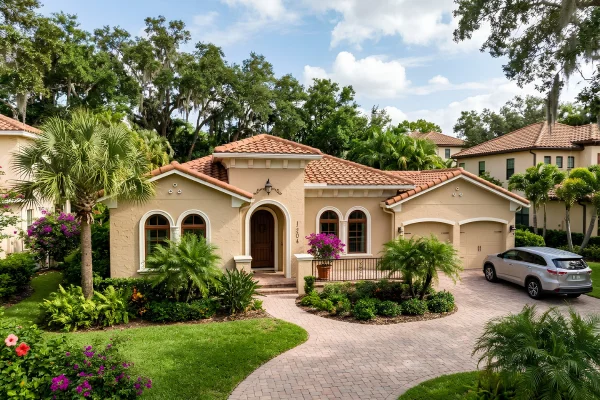
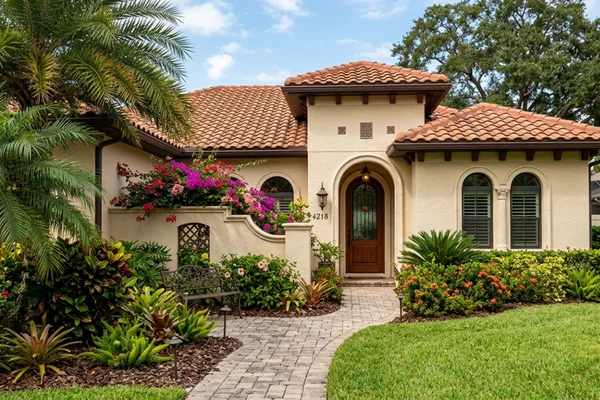
Stucco homes often undergo remarkable transformations, inspiring fresh ideas for curb appeal. Some homeowners embrace bold, modern stucco house colors to create striking contrasts, while others choose warm, earthy tones that highlight natural textures. These projects demonstrate how thoughtful design choices can completely change a home’s personality.
Beyond aesthetics, successful transformations emphasize preparation, high-quality materials, and alignment with neighborhood style. By studying these examples, homeowners gain valuable insight into balancing creativity with practicality, resulting in visually appealing, durable outcomes. A well-planned approach can enhance your exterior and protect your investment in the long term.
When Should You Hire a Professional Instead of DIY?

Deciding between DIY and hiring an expert stucco professional for a painting project depends on your skill, time, and resources. Stucco surfaces can be tricky, requiring specialized tools and techniques. If you’re inexperienced, facing extensive repairs, or pressed for time, hiring a professional ensures a durable, high-quality finish.
Professional stucco painters bring experience, specialized tools, and material knowledge that DIY projects often lack. From identifying hidden moisture issues to selecting breathable coatings, professionals know how to avoid costly mistakes that shorten paint lifespan. They handle surface repairs, priming, and application techniques that ensure even coverage and long-term durability.
The local pros also work efficiently, minimizing disruption while delivering consistent, high-quality results. Most importantly, expert craftsmanship protects your home’s structure and value.By investing in professional services, homeowners gain peace of mind knowing their exterior stucco or EIFS is properly prepared, expertly painted, and built to withstand the elements.
Experts are best prepared to handle a range of challenges efficiently, helping you avoid costly mistakes. Ultimately, professional help provides peace of mind, long-lasting results, and a smoother process compared to tackling the project alone.
How Much Does It Cost to Paint a House With Stucco?
The cost of painting a stucco home varies widely, depending on size, condition, and selected materials. On average, homeowners may spend between $1,500 and $4,000 for a standard project.
High-quality paints, professional labor, and necessary repairs can increase expenses, while DIY may reduce costs but add effort. It’s essential to budget for preparation, crack repairs, and primer to ensure durability. Considering these factors helps you plan realistically, balancing affordability with the long-term value of a properly finished stucco exterior.
Final Thoughts on Tips for Painting a Stucco Home
Your stucco home deserves more than a quick coat of paint, it deserves lasting protection and expert care. Whether you’re refreshing faded color, repairing surface damage, or preparing for a complete exterior transformation, professional guidance makes all the difference.
Don’t risk peeling, cracking, or premature wear by cutting corners. Trust experienced stucco specialists to deliver results that enhance beauty, durability, and value. Ready to protect your investment and elevate your curb appeal? Contact Stucco Specialists Tampa today for a professional consultation and let skilled craftsmanship give your home the long-lasting finish it deserves.
Protect your home with professional craftsmanship. Reach out to Stucco Specialists Tampa now.
FAQ: Homeowner Questions About Painting, Maintenance, and Exterior Care
When painting your stucco home, you may have questions about maintenance and care. Let’s address common homeowner concerns to ensure your project goes smoothly.
1. How long should exterior coatings last on a textured surface?
Exterior coatings on textured surfaces generally last five to ten years, depending on climate, maintenance, and paint quality. Regular cleaning and occasional touch-ups help extend the surface’s durability and keep it looking its best.
2. What’s the best temperature range for outdoor painting?
Outdoor painting is best done between 50°F and 85°F to support proper adhesion and drying. Avoid extreme heat or cold, as both can cause issues like peeling or poor finish quality.
3. Can you switch from a dark to a light exterior shade without priming?
Switching to a lighter shade without priming is possible, but may require several coats. Priming helps improve coverage, supports adhesion, and creates a more consistent, long-lasting finish.
4. How do you prevent peeling or bubbling in high-moisture areas?
Prevent peeling by cleaning the surface, repairing cracks, and choosing breathable, moisture-resistant paint. A quality primer and regular inspections also help reduce moisture-related damage.
5. What type of coating performs best in desert climates?
Desert climates benefit from elastomeric coatings, which flex with temperature changes and resist cracking. UV-resistant formulas also help protect against sun damage and extend the finish’s lifespan.
6. Do hairline cracks need to be repaired before repainting?
Hairline cracks should be filled before repainting to prevent moisture intrusion and ensure smooth coverage. Proper repair helps the new paint adhere well and creates a cleaner, longer-lasting finish.
7. How often should homeowners plan to refresh their exterior colors?
Most stucco exteriors need repainting every five to seven years, though climate and sun exposure may shorten the timeline. Fading or peeling typically indicates it’s time for a refresh.